
Industry News: How retailers can create spaces to appeal to Millennial shoppers
May 2, 2016
“All businesses need to be young forever. If your customer base ages with you, you’re Woolworth’s.”- Jeff Bezos, Amazon CEO
---
Today’s college students are financially better off than earlier generations. It has been reported that the average university student has around $15,000 in annual spending power. To succeed, retailers must capture some of that tremendous market, which means optimizing location, technology and store design to attract the attention – and dollars – of savvy Millennial shoppers. Here are some key factors in creating those spaces.
EASE OF ACCESS
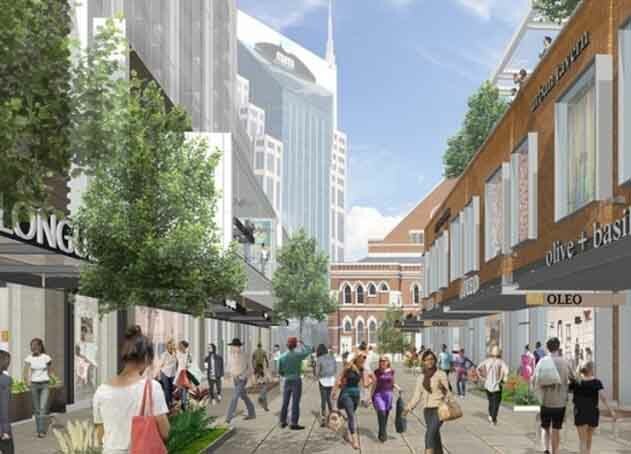
Because Millennials value convenience – and because an increasing number are forgoing cars – shopping destinations should be close to campus or easily accessed by alternative transportation and public transit. This tie into the importance of walkable neighborhoods. Many universities are designed for walking, but you still need a car once you’re past the edge of campus. When college students go grocery shopping, clothes shopping – or any type of shopping, for that matter – it should be quick, simple and highly accessible; not a hassle. Mixed-use spaces are helpful because shoppers can grab pantry staples, a new shirt and dinner, for instance, all in one convenient spot
TECHNOLOGY INTEGRATION
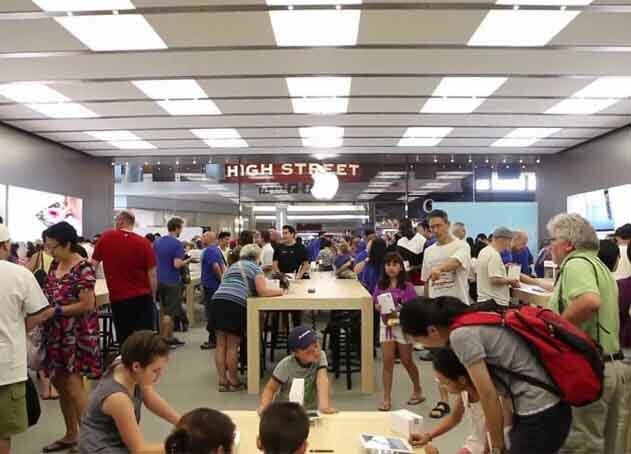
Millennials may have a lot of spending power, but they don’t have a lot of patience for wasted time. It’s an important reason for retailers to integrate technology into the shopping experience whenever possible. These days, it’s difficult for brick-and-mortar stores to compete with the lightning-fast purchases offered by websites like Amazon, where free and fast shipping is the norm. Millennials are also known for researching the products they buy, placing a great deal of value on other shoppers’ reviews. The Urban Land Institute reported in 2013 that 45% of Millennials spend at least one hour browsing online stores and reading product reviews every day. Brick-and-mortars simply don’t offer that level of speed or connectivity, so they have to find new, creative ways to draw foot traffic like “in-store pick-up,” special discounts or demonstrations. Think Apple, where brick-and-mortar stores are staffed by knowledgeable, approachable employees, the latest gadgets are on-hand for testing, and cool classes are offered for free.
EXPERIENTIAL EXCITEMENT AND DIVERSITY
Mixed-use developments and retail centers should also aim to be well-rounded when it comes to the types of tenants they contain and the quality of experiences they offer. Millennials enjoy a lot of different retail styles, from sleek and high-tech to vintage; it’s most important to create an authentic, intimate sense of place and avoid feeling generic. Branded environments and fresh signage can help achieve this goal, elevating Millennials’ in-store experience and creating that essential brand connection and brand loyalty. Millennial-friendly amenities life free WiFi, self check-out kiosks and even flattering lighting make the retail interior a more inviting place.
---
There’s an art and a strategy behind creating Millennial-friendly retail spaces. Companies should recognize the importance of integrating with the surrounding community, with public transportation and with technology to create a meaningful shopping experience.