
Industry Connect: Do Green Building Environments Improve Cognitive Function?
February 16, 2016
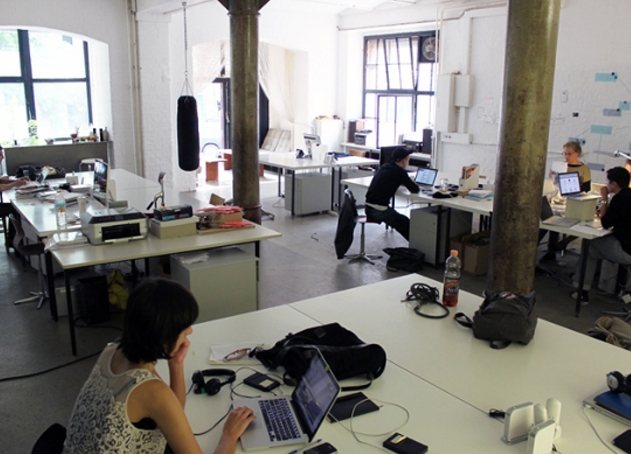
Most people spend as much as 90% of their lives working indoors.
Thanks to the researchers from Harvard's T.H. Chan School of Public Health, SUNY-Upstate Medical Center (Syracuse), and Syracuse University, we may have at least one rigorous, peer-reviewed study that does show that improved indoor environmental quality can positively benefit human cognitive capability.
---
Most people spend as much as 90% of their lives working indoors. Many claims have been made about the negative impact of high levels of carbon dioxide and volatile organic compounds, as well as the impact of low levels of fresh air circulation. For the most part, these claims were based on anecdotal information and hope, not hard science. Thanks to the researchers from Harvard's T.H. Chan School of Public Health, SUNY-Upstate Medical Center (Syracuse), and Syracuse University, we may have at least one rigorous, peer-reviewed study that does show that improved indoor environmental quality can positively benefit human cognitive capability.
The study subjected 24 participants to spend six full work days (9 a.m. – 5 p.m.) in an environmentally controlled office space, blinded to test conditions.
On select days, the participants were exposed to IEQ conditions representative of "conventional" (high VOC concentration) and "green" (low VOC concentration) office buildings in the U.S. Other simulations tested the participants' cognitive skills in a green building with a high outdoor air ventilation rate ("Green+") and artificially elevated carbon dioxide levels independent of ventilation.
The research team found that, on average, participants' cognitive scores were 61% higher on the "green building day" and 101% higher on the two "Green+ building days" than on the so-called conventional building day. VOCs and carbon dioxide were independently associated with cognitive scores.
This replicable, peer-reviewed scientific study shows just how much these negative factors affect our ability to work and think while indoors. With this new information, architects, engineers, and contractors now have valuable data to advocate to their clients for the budget to make sure IEQ is a top priority in new and reconstructed building projects.
The study is a refreshing antidote to the many unscientifically based claims put forth by green building advocates in the past.
---
For the full report, "Associations of Cognitive Function Scores with Carbon Dioxide, Ventilation, and Volatile Organic Compound Exposures in Office Workers: A Controlled Exposure Study of Green and Conventional Office Environments," published in the journal Environmental Health Perspectives click HERE.