
Industry Connect: Designing for Security
April 27, 2016
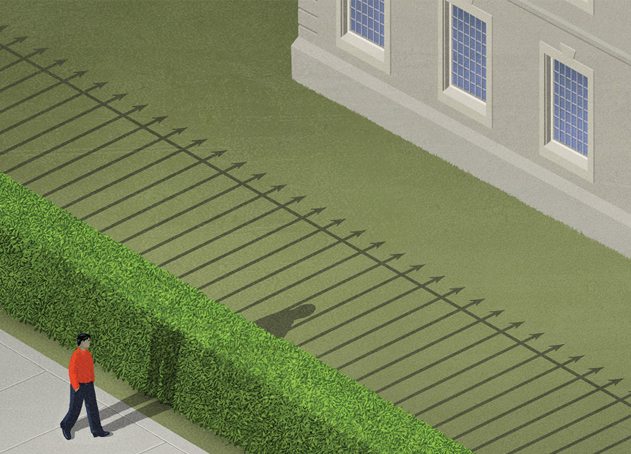
“Embassies and consulates must exemplify the best of American architecture, environmental stewardship, and innovation, “stated Secretary of State John Kerry in 2013 in the U.S. State Department’s discussion on new Design Excellence initiative.
----
Today, society continues to debate the role that architecture should play when it comes to security. There’s an abundance of abysmal examples: buildings buttressed by jersey walls, metal spikes, barbed wire, bars, and berms or surrounded by a phalanx of security; defensive architecture designed to function like a fortress or retrofitted with tacked-on deterrents. How, then, should architects design safe spaces that are also beautiful and humane?
Back home in America, we are—according to the numbers—safer than ever. Crime statistics from the FBI show that violent and quality-of-life crimes have diminished over the decades. Yet, it doesn’t necessarily feel that way. Not after people with guns breached offices and movie theaters, churches and elementary schools. Security is as much about perception as it is about reality, and cultural anxiety often influences building design.
Keeping security discreet is something more architects and landscape architects should make a priority, according to James Timberlake, FAIA, founding partner of KieranTimberlake. “In general, architects need to challenge the theory that overt visual deterrents, which are the most aggressive features in the landscape, are the answer,” Timberlake says. “If it’s a K–8 school, and you’ve put a metal detector at the front door, what does that say? Security should be more integrated, more discreet, and architects should first try to think of passive ways to incorporate security requirements.”
As technology swiftly changes, and client needs do as well, building adaptable spaces becomes important. “The world evolves, so does security,” says Lynda Buel, the owner and CEO of SRMC, a security consultation firm based in Columbus, Ohio. “We have a saying: ‘You must be fast, fluid, and flexible.’ Architects need to think about 10 years down the road. Ask a client what the plans for the space might be in a decade, and what types of security infrastructure should be in place to support it. Put in the fiber cables and the pipes now. And make sure IT is a part of the conversation.”
----
For the full article from Architect Magazine click HERE.